
What is Martyn's Law?
The whole Act in plain English: who it applies to, the two tiers, what's required, the real penalties and the timeline. Start here, then dig into the guide for your venue.
Everything here is written from the Act and the statutory guidance directly, with paragraph references included, so you can check us. If a guide ever says "you must", the law says it too.
The whole Act in plain English: who it applies to, the two tiers, what's required, the real penalties and the timeline. Start here, then dig into the guide for your venue.
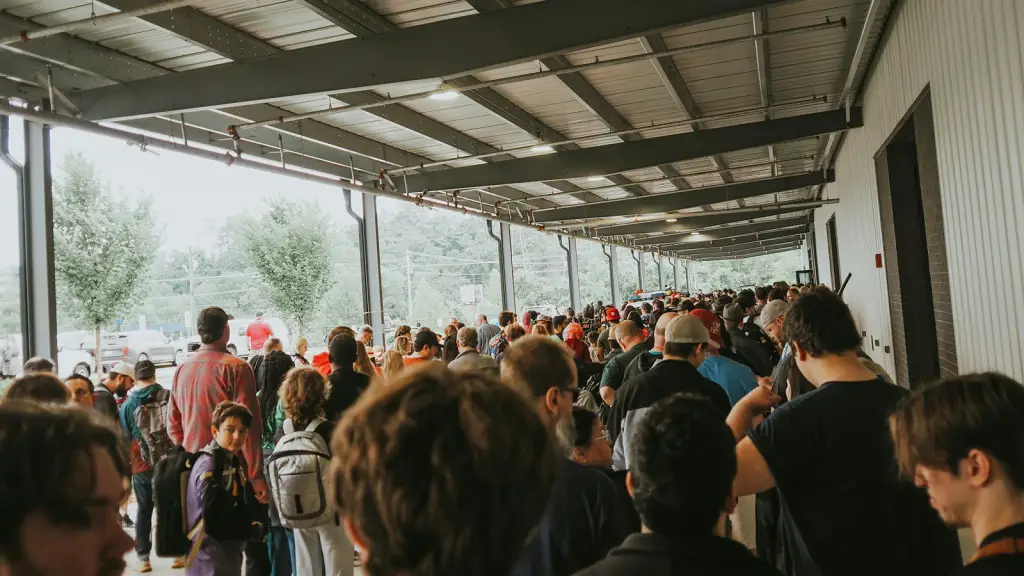
The full four-condition test and the complete list of the 17 Schedule 1 uses, with the official examples for each category.

Royal Assent already happened, but the duties haven't. The current timeline, what's still to be decided, and what to do while you wait.

Seven steps to get a standard-tier venue ready: what to do, in what order, and what the law doesn’t require you to do at all. Every step cited.
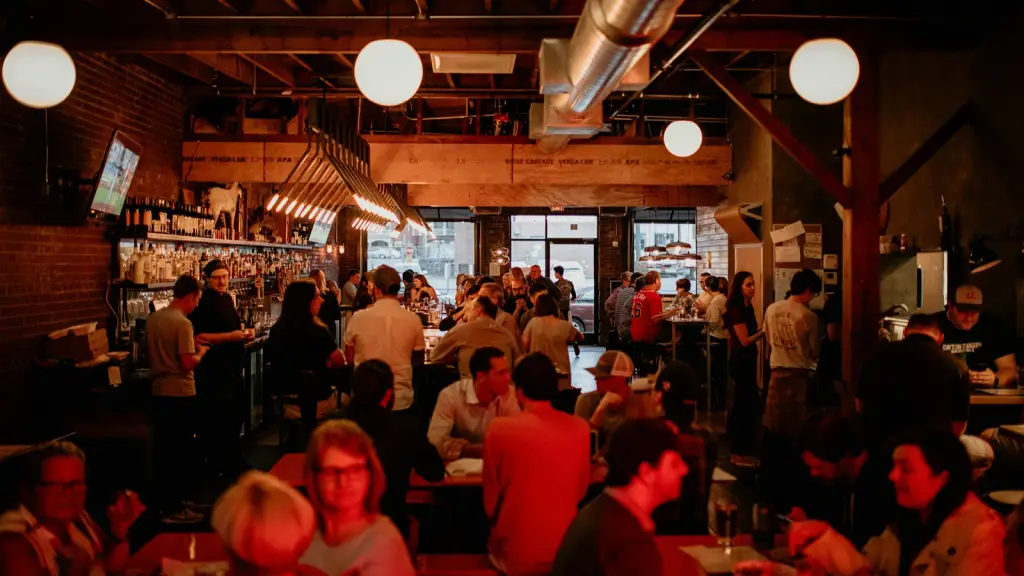
What the law actually requires of venues expecting 200–799 people: the four procedures, the real penalties, and the list of things you do NOT have to buy.

The accurate numbers by tier: £10,000 for standard tier, not the £18m headline figure that only applies to enhanced-tier premises. The full enforcement ladder.

No document is legally required at the standard tier, but here's a free one anyway, with a filled-in example for every section.

A recurring busy day, even once a year, can pull a quiet venue into scope at either the 200 or the 800 threshold. The official examples, and five quick verdicts.
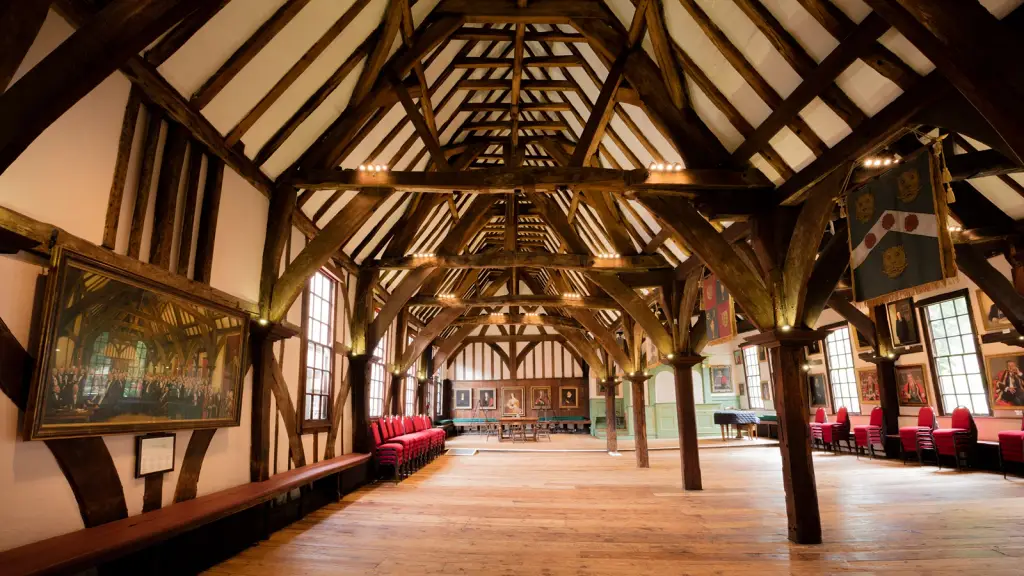
Volunteer-run, hired out to strangers, often unstaffed: how the standard tier duty lands on committees and what a sensible response looks like.

Your beer garden counts towards the 200, match days can put you in scope even on a quiet weekday, and if you're a tied tenant, the responsible person might be the brewery, not you.

Members-only is not an exemption, and the open course loses its exclusion the moment you check membership at the gate. What actually counts, and who's responsible.
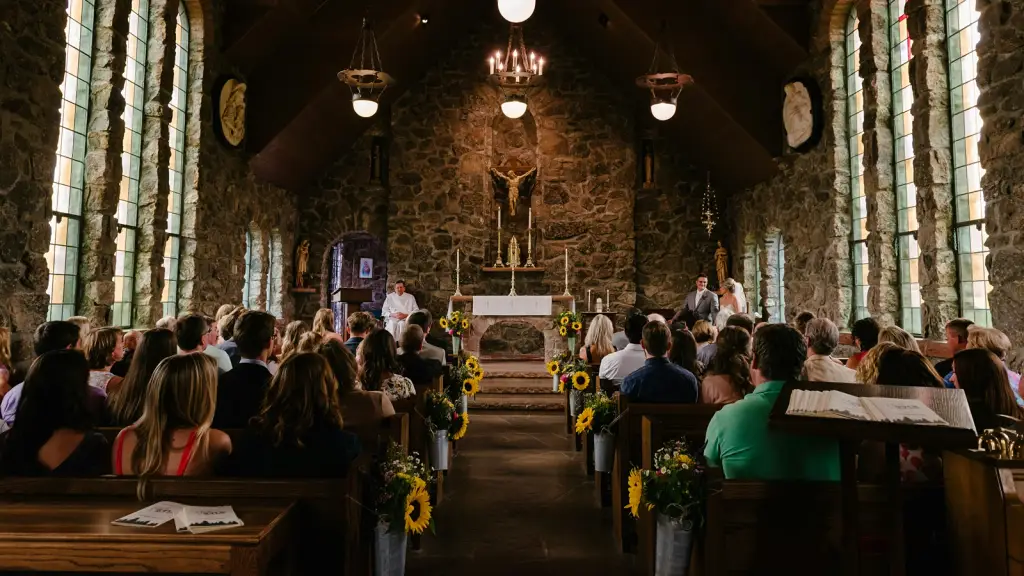
Places of worship are always standard tier, whatever their capacity. Who counts as the responsible person, and how weddings, funerals and festivals affect your numbers.
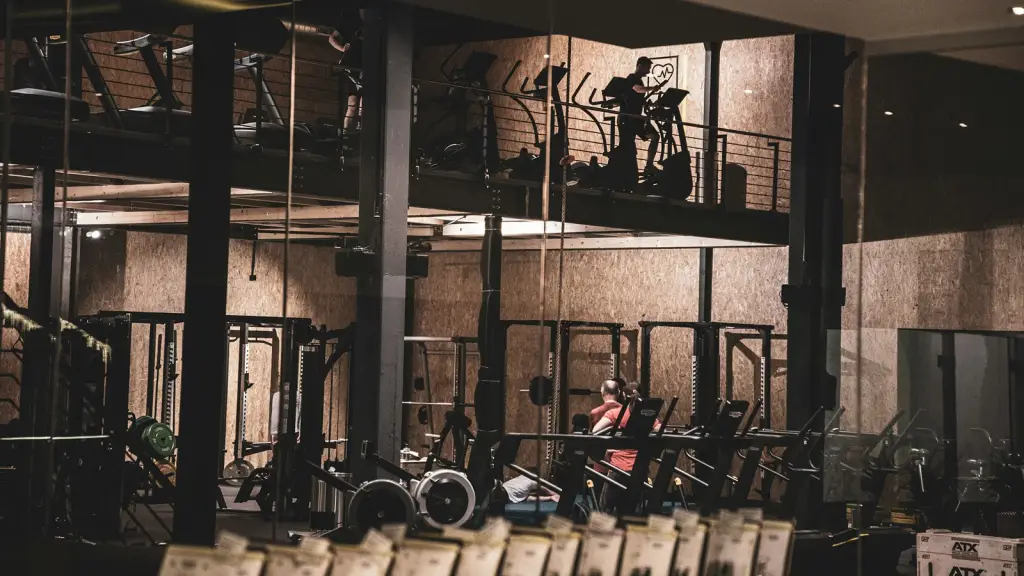
It's your busiest hour that counts, not your membership list. How to work out peak capacity, and who's responsible at franchises and council-run sites.
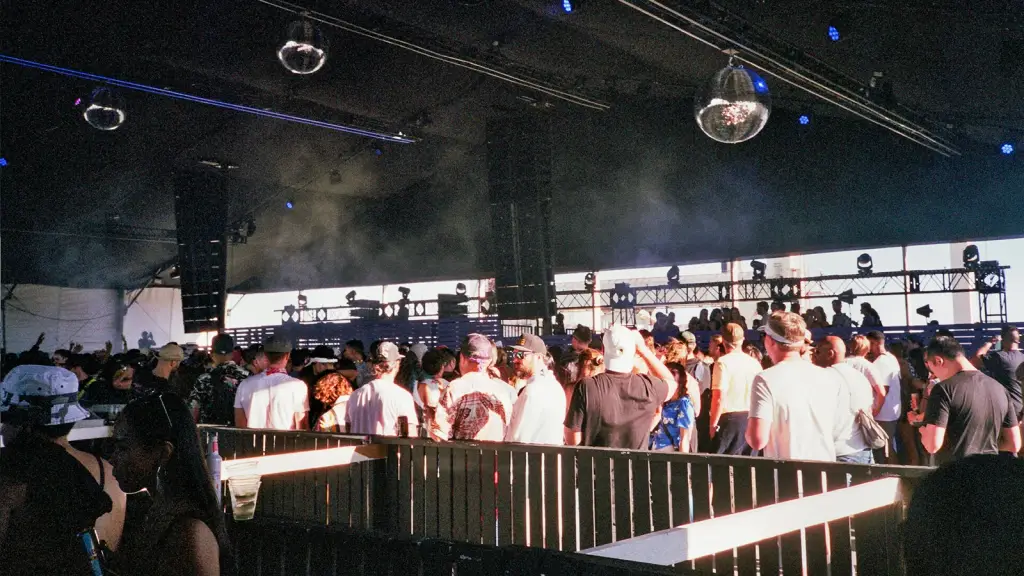
What venues expecting 800 or more must do beyond the standard tier: measures as well as procedures, a vulnerability assessment, and the real £18m penalty context.
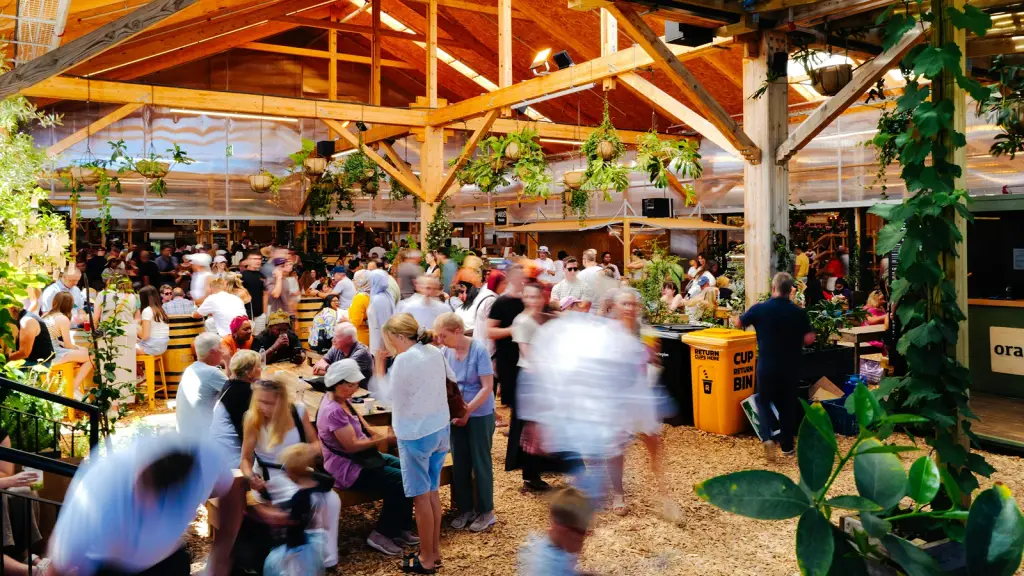
What each procedure is for, what good looks like, and worked examples across a pub, a gym, a village hall and a church.

Whoever controls the premises, not necessarily whoever owns it. Leased shops, tenanted pubs, hired halls and multi-occupancy buildings, with the official examples.
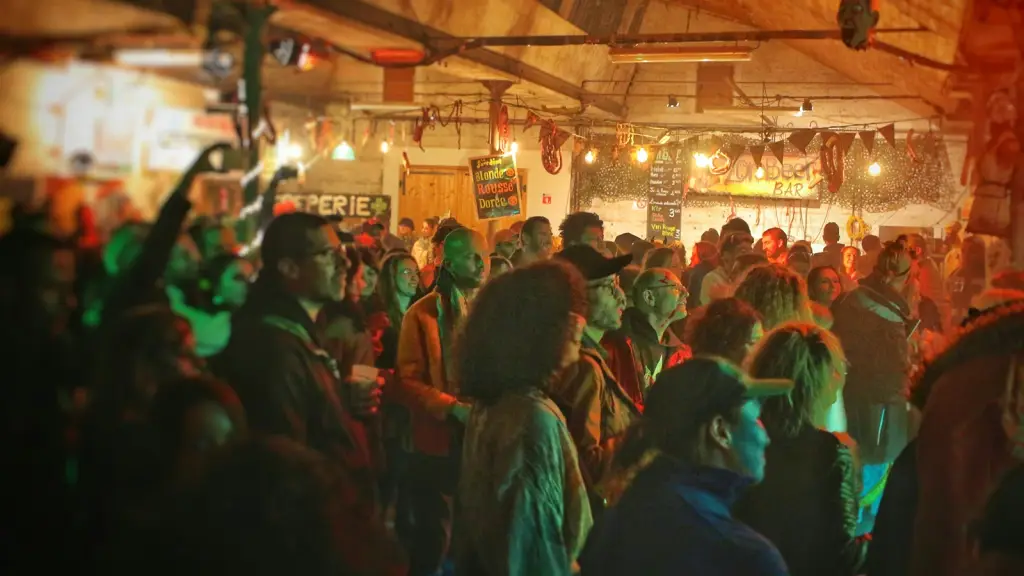
Standard-tier venues don't need a terrorism risk assessment. What the law actually requires instead, tier by tier.
No mandatory accredited course at the standard tier. What staff actually need to know, and the free official options worth using anyway.

A one-time notification when you become the responsible person. What's confirmed, what still awaits regulations, and what to prepare now.
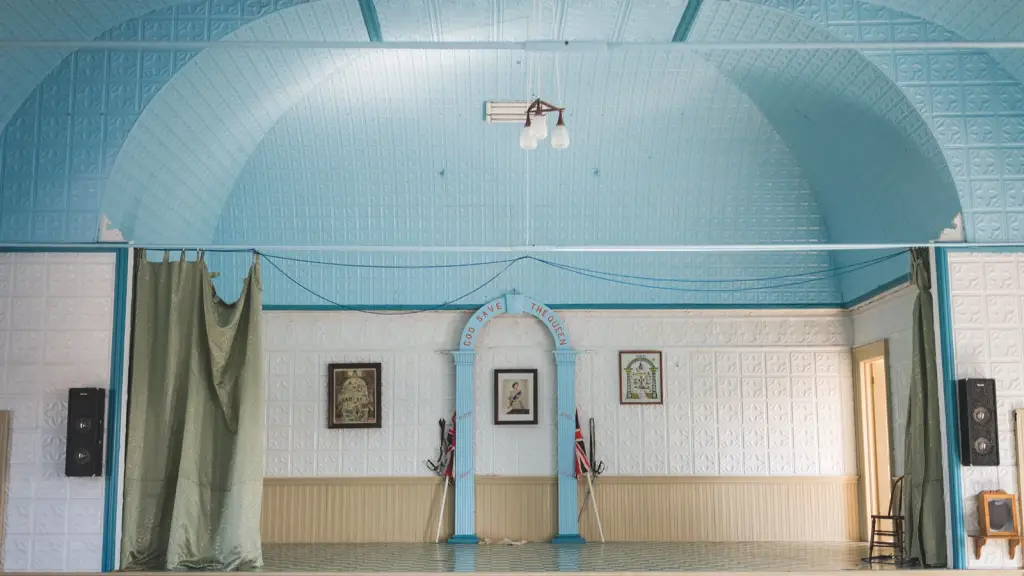
The short Schedule 2 exclusion list, in plain English, and why churches, schools and charities are not on it.

The 200 threshold counts everyone present at once, staff included, plus any outdoor area that’s part of your premises. The accepted counting methods and three worked examples.

Two different questions: does your beer garden count toward the 200, and does a one-off open-air event qualify separately? Both answered with a quick-verdict table.

The legal minimum can cost £0 in cash. DIY, software and consultant routes compared honestly, with no invented figures.

Para 7.32, unpacked clause by clause: no legal duty, and the guidance's own case for writing one down anyway.

Usually at least 72 hours' written notice, not a knock on the door. What inspectors can do, what to show, and what happens next.
Had a notice? Three days, day by day: your two key facts, walking the four procedures and briefing your people, then assembling what you'll show.
The standard-tier legal minimum is smaller than you've probably been told, and starting late is entirely recoverable. Where to start today.
Standard tier never files anything with the SIA. The five things you should still be able to show and explain, and the format they need to be in.
Compliance, restriction and penalty notices explained, and what to do in the first 24 hours after receiving one.
For most standard-tier venues, a manageable amount of work spread across about a week. Where the time really goes, day by day.
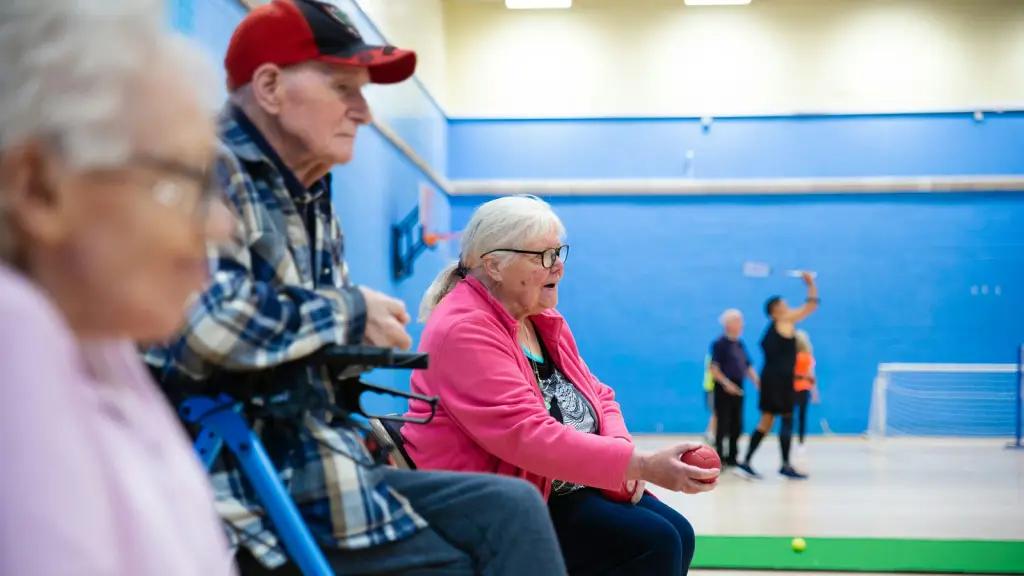
Multiple rooms running at once count together toward the 200. Who's responsible when the whole centre is hired out for one event.
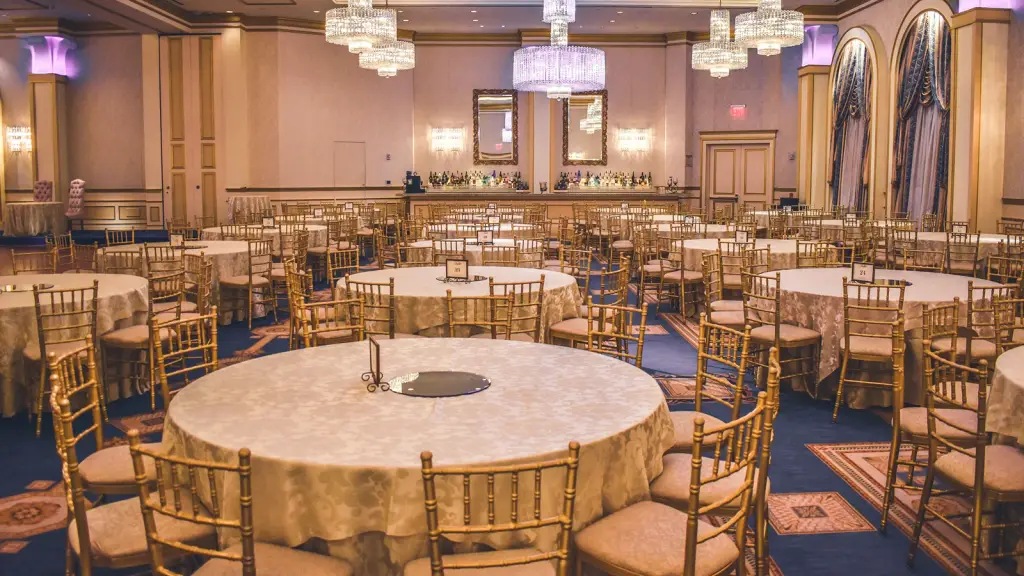
Most small B&Bs are comfortably out of scope. How guests, staff and function-room events add up for larger hotels.
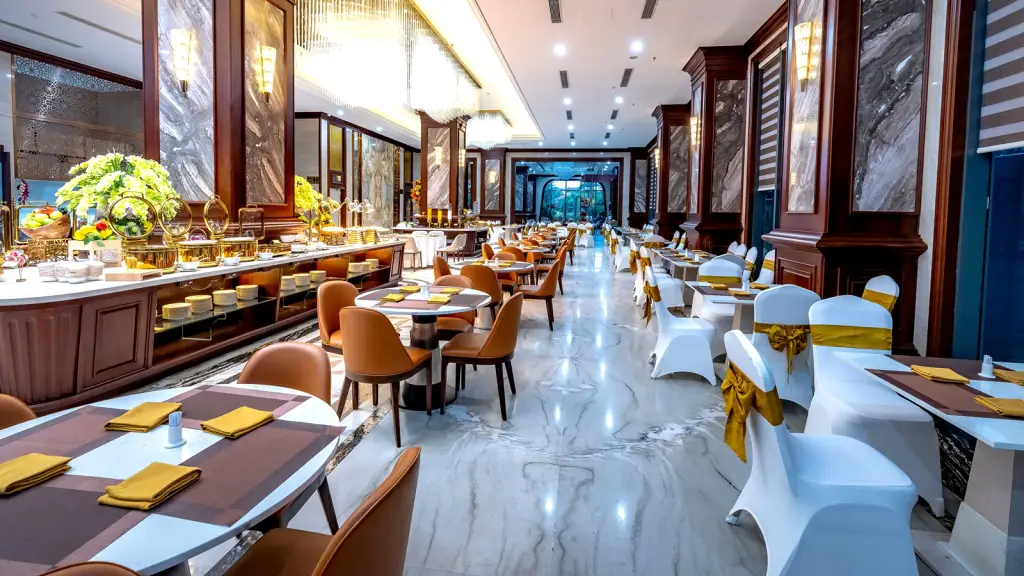
Most independents are well under 200. The official worked examples, and what outdoor seating changes.

The separate qualifying-events regime: 800+, public access, a secure checked perimeter. All three conditions, worked scenarios, and who's responsible when a venue is hired out.
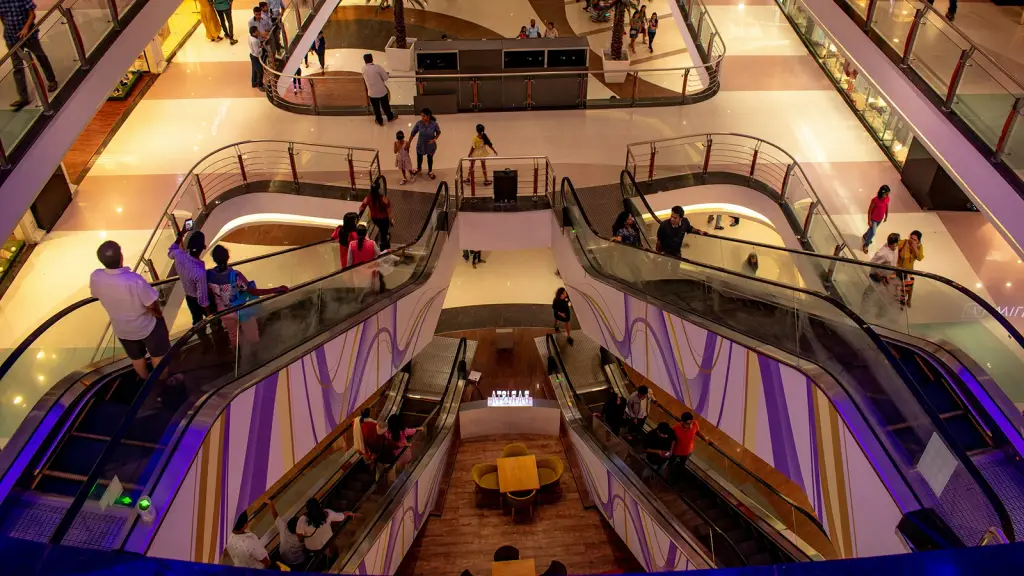
Shop with a flat above, leisure centre inside a council building, a whole shopping centre: how Martyn's Law handles buildings with more than one use.

They're the same initiative. What changed between the 2021 consultation and the Act as passed, and how to spot outdated advice still using the old numbers.

Standard tier: usually not. When a consultant genuinely helps, when DIY is the better call, and the red flags worth knowing before you hire one.

Yes, uniformly, across all four nations. Where the small jurisdictional differences actually sit, and where they don't.
At the standard tier: no. CCTV, barriers and bag checks aren't required. The honest enhanced-tier picture, and how to answer a salesperson who says otherwise.

Every term defined in plain English, from invacuation to qualifying premises, each with a usage example and a link to the full guide.

Safe occupancy vs licensed capacity, both official examples explained, and why killing the music is already your natural communication trigger.
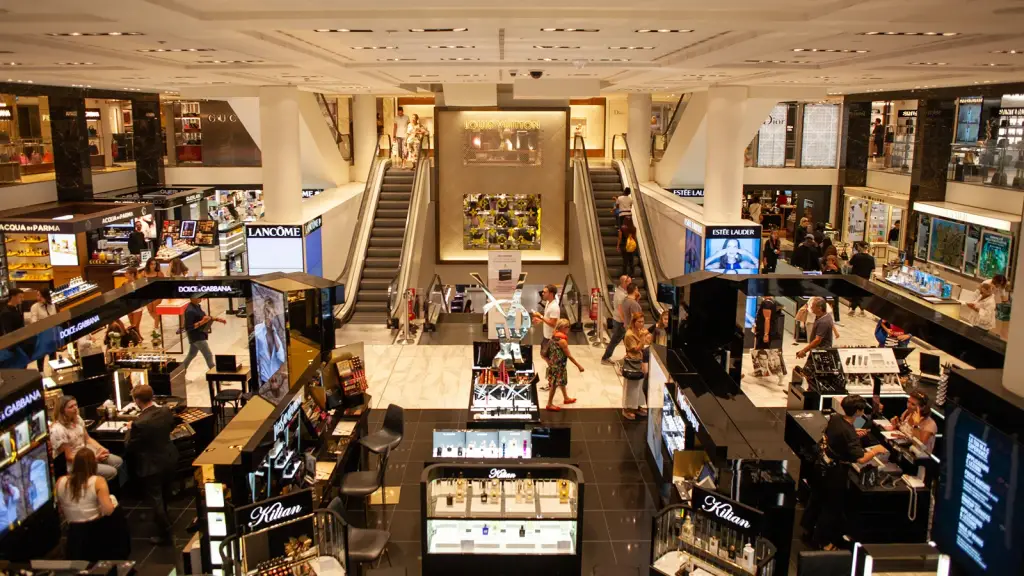
Most high-street shops are comfortably under 200. The official Black Friday, viral-product and supermarket-chain examples, and how shopping-centre units are assessed.

Always standard tier, regardless of numbers, except higher education. Why the Act draws that line, and who's responsible.

Usually not. Ordinary offices aren't a Schedule 1 use and don't have public access. The specific exceptions that flip that answer, and a quick check for facilities managers.

Larger sites will very commonly qualify; small GP surgeries usually won't. The official fourteen-building trust example, and how this sits alongside existing NHS emergency planning.
The service opens for early access before the law commences. Join the list for the launch date, founding-member pricing, and one useful plain-English update when something actually changes, with no filler.
No spam, unsubscribe any time. We never sell data.