The 'from time to time' rule: occasional crowds still count
Last reviewed:
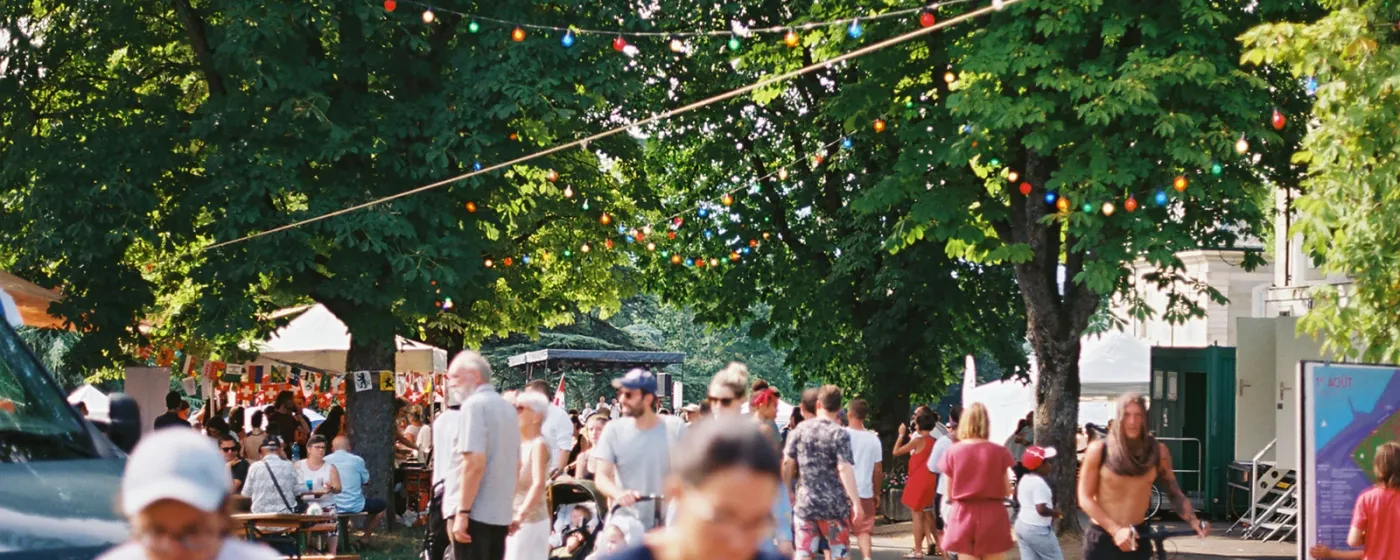
Here's the rule that catches venues out. Martyn's Law tiers turn on how many people can reasonably be expected at your premises at the same time, from time to time. And "from time to time" does not mean "most days". It includes a big occasion you expect to repeat, even if it happens once a year. The guidance calls this "a degree of predictability" (para 4.31), and it applies at both thresholds: the 200-person line into the standard tier, and the 800-person line into the enhanced tier.
At the 200-person line: the official examples
The statutory guidance's own scope examples (paras 4.31–4.34) are the exact scenario most small venues ask us about: quiet most of the year, busy on a few predictable occasions.
- A clothing shop with a safe occupancy of 300 usually has well under 200 people on site. But its numbers have exceeded 200 several times over the last three years, always during Black Friday and the January sales. Because that's expected to keep happening, the shop is in scope of the standard tier, even though its average day is quiet (para 4.31, example).
- A village hall with a safe occupancy of 250 has never had more than 150 people on site in five years, so it's out of scope. A local band then hires the hall for a one-off concert expecting 250 people. Because this is unforeseen and not expected to recur, the hall stays out of scope. But the guidance adds a sting: if the band's success continues and they book further concerts there, and 200+ becomes something the hall can reasonably expect again, the hall is drawn into the standard tier from that point on (para 4.34).
At the 800-person line: the enhanced-tier examples
The Home Office's supplementary scope document (document B) works through the same logic at the higher threshold, and is just as blunt about it:
- A pub with a normal peak of 100 that hosts one music festival a year in its building and gardens, expecting 800 or more, is enhanced tier premises. Not "standard with one big event". Enhanced, all year (example 3).
- A golf club with a normal peak of 300 that runs an annual firework display for 1,200 is enhanced tier (example 6).
- A stately home with large events roughly ten times a year is enhanced (example 7). A nightclub with five or six 800+ special nights a year is enhanced (example 8).
- A hotel hosting an unrestricted-ticket annual event that reached 900 people last year qualifies as enhanced tier premises, because the annual recurrence means 800+ can reasonably be expected "from time to time" (supplementary A).
The logic: if the occasion is expected to happen again, then 800+ people can reasonably be expected "from time to time", and the premises meet the enhanced threshold under section 2(3) of the Act.
Genuine one-offs are different
A true one-off doesn't change your premises tier, at either threshold. The guidance's own examples: a retail shop with a usual peak of 450 that unexpectedly hits enhanced-tier numbers overnight because a product goes viral stays in the standard tier, because the surge couldn't have been reasonably expected and isn't expected to recur (para 4.33). And a football stadium that normally expects 500 spectators and hosts a single testimonial match for 1,000, not expected to recur, stays in the standard tier too (example 5). The testimonial itself, though, meets the criteria for a qualifying event, a separate part of the Act with its own (enhanced-level) requirements, where there are entry controls like ticket checks.
So the honest questions to ask yourself are:
- Could the relevant threshold be crossed here at all, on your busiest realistic day?
- If it's happened or it's planned: do we expect it to happen again?
Yes to both → you're in scope at that threshold, every day of the year, not just on the big day. Yes then no → your tier doesn't change, but the big day itself may still be a qualifying event if it crosses 800 with entry controls.
Quick verdicts
- Annual beer festival that reliably tops 200: counts, in scope.
- One-off centenary dinner, never to be repeated: doesn't count, stays out.
- Monthly quiz night that peaks at 180: doesn't matter how often, it's under the threshold either way.
- Televised big-match days that reliably reach 220: counts, in scope.
- Wedding hire most weekends, peaking at 250: counts, in scope.
The exceptions: worship and education
Places of worship, childcare, and primary, secondary and further education settings stay in the standard tier regardless of numbers (paras 4.36–4.39). The supplementary examples include a temple hosting an 800+ Holi celebration on its own grounds: still standard tier. (Universities don't get this exception.)
Three things this means in practice
- Don't assess your tier on a normal week. The test is your biggest reasonably-expected day. Seasonal peaks, match days and the Christmas rush all count (para 4.31).
- The flip side: don't panic over fire capacity. Numbers are about realistic expected peaks, not the theoretical maximum. The guidance's gallery with a fire capacity of 850 but real peaks of 500 is standard tier.
- If you're near the line, the decision is partly in your hands. Capping that annual event's attendance (e.g. ticketing it at 750 including staff) keeps the premises in the standard tier. That's a legitimate operational choice, and a much cheaper one than enhanced-tier compliance.
Our free tier checker asks the big-day question explicitly, most don't. If you're weighing this for a pub, golf club or village hall specifically, our venue guides (pubs, golf and sports clubs, village halls) work through the same test with worked numbers for that kind of venue.
Common questions
We're only over 200 on match days. Are we still in scope?
Yes, if it's the kind of thing you expect to keep happening. "From time to time" doesn't mean most days; it means occasionally but predictably. A pub or club that regularly crosses 200 including staff on televised big-match days is in scope at the standard tier even if a normal Tuesday is nowhere close.
What if we only have one big event a year?
It still counts, as long as you expect it to happen again. The guidance's own examples are explicit: a clothing shop that only exceeds 200 during Black Friday and the January sales is in scope, because that surge is expected every year. A genuinely unrepeatable one-off is different, see the village hall example above.
Does one 800+ night make us enhanced tier forever?
Only while you expect it to keep happening. The official examples (a pub's annual music festival, a golf club's annual firework display) put the whole premises in the enhanced tier for as long as the event is expected to recur, not just on the day itself. If you stopped running the event for good, the premises would fall back to whatever tier its normal numbers support.
About this guide. Written by the Martyn's Law Plan team, based on the statutory guidance published under the Terrorism (Protection of Premises) Act 2025. Last reviewed: . Read the official guidance on GOV.UK.
Sources: Terrorism (Protection of Premises) Act 2025; Home Office statutory guidance (April 2026, updated May 2026) and supplementary documents. Paragraph references are to the statutory guidance. General information, not legal advice. Contains public sector information licensed under the Open Government Licence v3.0.