The enhanced tier: what venues over 800 must do
Last reviewed:
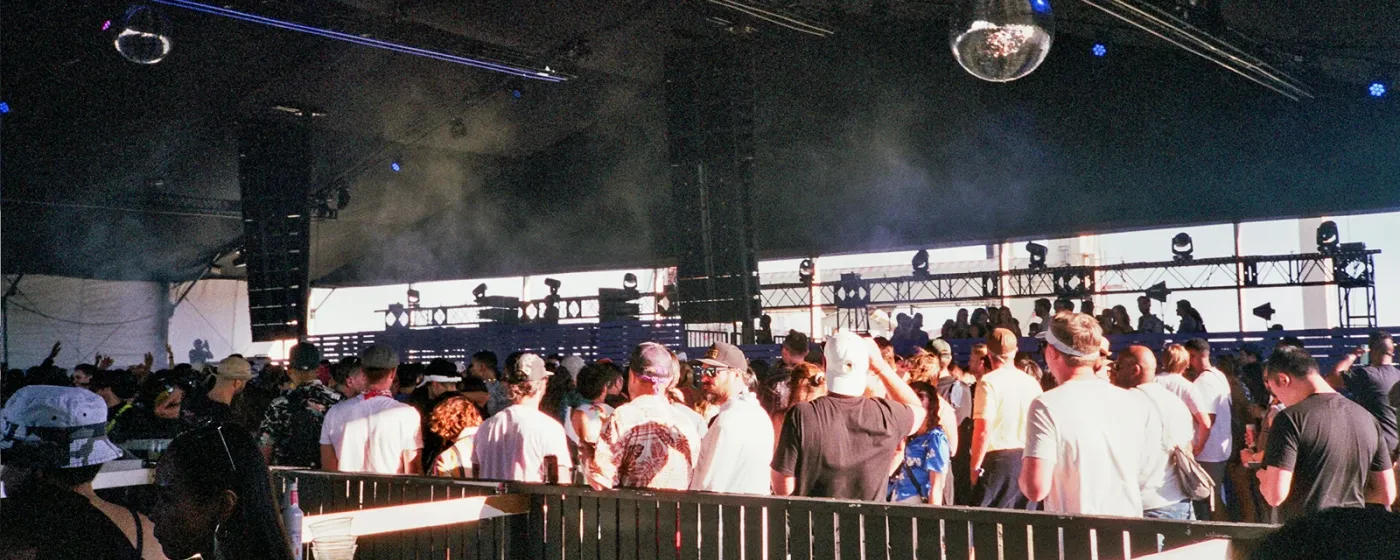
The enhanced tier applies to premises where 800 or more people, including staff, can reasonably be expected at the same time, from time to time. It carries everything the standard tier does, plus a heavier set of duties: public protection measures as well as procedures, a vulnerability assessment, and a documented compliance record. Here's what that actually involves, and who it catches.
Are you enhanced tier?
The threshold is 800, counted the same way as the standard tier's 200: everyone who could reasonably be on the premises at once, including staff, contractors and volunteers, not just ticket sales or licensed capacity. See what is Martyn's Law for the full scope test and the standard tier explained for how the same counting rules work at the lower threshold.
Two groups sit outside the normal capacity test. Places of worship and childcare, primary, secondary and further education premises are always standard tier, whatever their capacity. The guidance sets no upper limit for them. Higher education is the one exception among education settings: university premises can be enhanced tier, because parts of a campus are often freely accessible to the public in a way schools and colleges aren't.
The recurring-event trap
A single unusual surge doesn't tip you into the enhanced tier. But a predictable recurrence does. The guidance's own example is a hotel that runs an annual, unrestricted-ticket event that reached 900 attendees: because it happens every year, the premises reasonably expects 800+ "from time to time", and the whole premises qualifies as enhanced tier, not just the event itself. If your quiet venue has one big day a year that's crept toward four figures, read our full guide to the "from time to time" rule before assuming standard tier is safe.
What enhanced tier adds on top of standard tier
Enhanced-tier premises keep the standard tier's two duties (notifying the SIA and having the four public protection procedures) and add several more:
- Public protection measures, not just procedures. Measures are broader than procedures: alongside responding to an incident, they're meant to reduce the vulnerability of the premises in the first place, through people, policies, or physical changes. A locked door policy or a bag-check process at entry are measures in this sense, not just a response plan.
- A vulnerability assessment. The responsible person must assess how vulnerable the premises is, including to different methods of attack, and use that assessment to decide which measures are appropriate.
- An "appropriate and reasonably practicable" balancing test. Measures have to be weighed against their cost, time and difficulty to implement, the same proportionality principle as the standard tier's procedures duty, just applied to physical and policy measures instead. The guidance's own examples show this cuts both ways: accepting a camera blind spot because covering it fully would be disproportionately expensive is fine, and so is deferring blast-resistant glazing on cost grounds, provided the reasoning is documented.
- Measures kept under review. Unlike standard-tier procedures, which the Act doesn't require you to review (annual review there is recommended good practice only), enhanced-tier measures must genuinely be kept under review.
- A documented rationale. The reasoning behind your measures, not just a description of them, has to be written down as part of a compliance document, since this is what the SIA will expect to see.
- A designated senior individual. Where the responsible person is a company or organisation, rather than an individual, it must name a senior person accountable for compliance.
The real penalties at this tier
The headline figures you'll have seen in the press (up to £18 million or 5% of worldwide revenue) apply here, at the enhanced tier and to qualifying events, not at the standard tier. Continuing non-compliance can also attract daily penalties of up to £50,000. Unlike the standard tier, failing to comply with a compliance notice at the enhanced tier is a criminal offence, not just a civil one. See the full penalties breakdown for how the two tiers compare side by side.
Where our tool fits, and where it doesn't
We built this service for the standard tier: the 200–799 venues that need clear, accurate procedures and a documented record, without hiring a consultant. The enhanced tier's vulnerability assessment and measures duty are a genuinely different job, closer to physical security planning than the standard tier's procedures work, and we'd rather say so plainly than stretch our tool to cover ground it isn't built for. If the free checker puts you at 800+, treat that as a signal to bring in someone with the right expertise, not a reason to distrust the result.
Common questions
Does a one-off event over 800 people make a venue enhanced tier?
Not necessarily. A single unexpected surge doesn't change your tier. But if the same premises reaches 800 or more "from time to time" (for example, one big event every year), that recurrence is enough to bring the whole premises into the enhanced tier, not just the day of the event. See our guide on the 'from time to time' rule for the official examples.
Is a written compliance document required at the enhanced tier?
Yes, unlike the standard tier. Enhanced-tier premises must document the public protection measures they have in place and the reasoning behind them, as part of demonstrating compliance to the SIA. This is a genuinely different, heavier duty than anything standard-tier venues face.
Can standard-tier venues use your tool if they occasionally cross 800?
If your premises reasonably expects 800 or more people from time to time, you're enhanced tier, and our service is built for the standard tier's procedures duty, not the enhanced tier's measures and documentation requirements. We'll tell you plainly if the checker puts you here, and point you toward professional advice rather than pretend our tool covers it.
About this guide. Written by the Martyn's Law Plan team, based on the statutory guidance published under the Terrorism (Protection of Premises) Act 2025. Last reviewed: . Read the official guidance on GOV.UK.
Sources: Terrorism (Protection of Premises) Act 2025; Home Office statutory guidance (April 2026, updated May 2026) and supplementary documents. Paragraph references are to the statutory guidance. General information, not legal advice. Contains public sector information licensed under the Open Government Licence v3.0.