CCTV, barriers, bag checks: what Martyn's Law actually requires
Last reviewed:
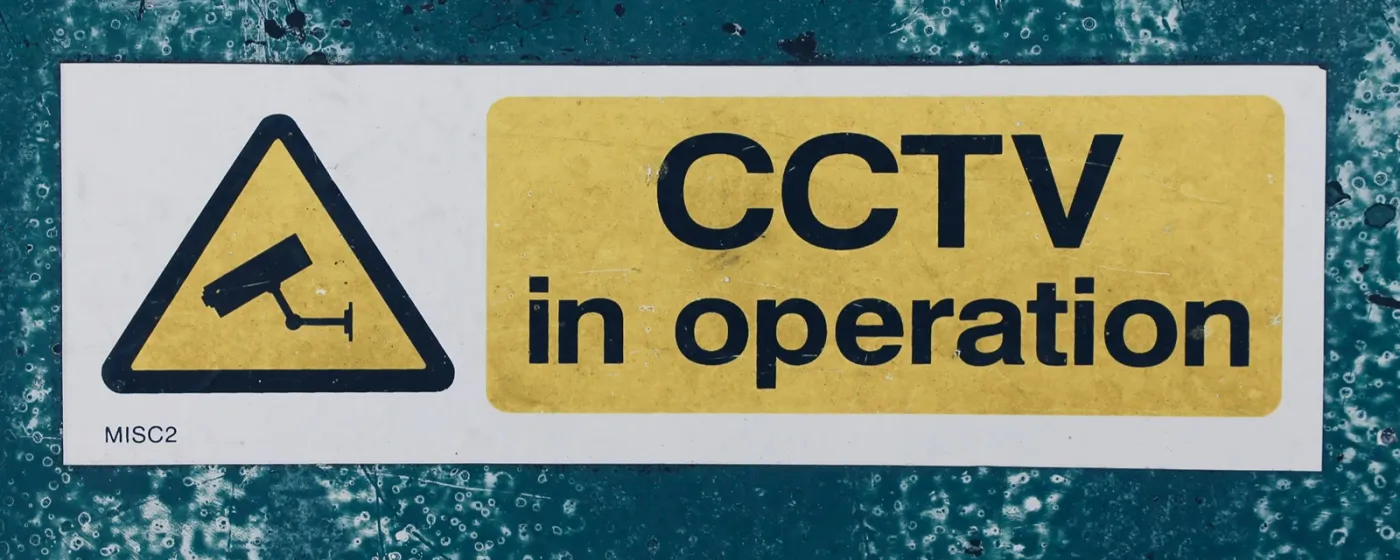
At the standard tier, the answer is a clean no. Martyn's Law does not require CCTV, barriers, bag searches, security staff or any other piece of physical security kit. The standard-tier duty is about procedures, what people do, not equipment you buy. If you've been told otherwise, here's where that idea comes from and what the law actually says.
Why this misconception exists
A predictable pattern shows up whenever new security legislation lands: products get marketed as "compliant" with it. Security equipment suppliers have every commercial incentive to describe cameras, barriers or access-control systems as helping you meet Martyn's Law, and some of that marketing blurs into implying they're required. They're not. The guidance is direct on this point: it is not mandatory to use third-party products or services to comply with the Act's requirements (para 6.7). That line applies to security hardware exactly as much as it applies to consultants or software.
What the standard tier actually requires
Two duties: a one-time notification to the regulator, and public protection procedures, plans for evacuation, invacuation, lockdown and communication, in place so far as reasonably practicable. These are things people do and know, not things you install. See the standard tier explained and the four procedures for the full detail. Neither mentions physical kit as a requirement, because it isn't one.
The enhanced-tier picture, stated fairly
It would be inaccurate to say physical security never matters under this law at all. Enhanced-tier premises, those expecting 800 or more, do have an additional duty to put public protection measures in place, and measures can include physical elements alongside people and policies. See the enhanced tier explained for the full picture. But even there, the guidance is explicit that measures only need to be appropriate and reasonably practicable, weighing effectiveness against cost, time and difficulty, not maximal. Its own examples make the proportionality real rather than theoretical: a CCTV blind spot covered by staff patrols in the meantime rather than an immediate camera upgrade, and blast-resistant glazing deferred because it's prohibitively expensive relative to the benefit (para 8.20). Even at the enhanced tier, "buy more security kit" isn't the automatic answer the marketing sometimes implies.
When CCTV is still a sensible choice, just not this law's requirement
None of this means CCTV or physical security measures are a bad idea. Plenty of venues have good reasons, insurance, general crime prevention, licensing conditions, that have nothing to do with Martyn's Law. That's a perfectly reasonable business decision to make on its own merits. What isn't accurate is presenting it as something this specific Act requires of a standard-tier venue, because it doesn't.
How to respond to a salesperson claiming otherwise
One question does most of the work: "which section of the Act or the statutory guidance says that?" A genuine requirement can be pointed to; a marketing claim usually can't. If you want to check for yourself, our guide to the standard tier and the guidance's own para 6.7 wording are a good starting point.
Not sure what your venue actually needs to do? Start with the free tier checker, no email required.
Common questions
Is "Martyn's Law compliant CCTV" a real product category?
No. There's no certification or standard described in the statutory guidance that any camera, barrier or piece of security kit can be "compliant" with. Martyn's Law is a duty on people and organisations to have procedures in place, not a product specification, so nothing you can buy off the shelf is inherently compliant or non-compliant with it.
Will an SIA inspector check for cameras?
At the standard tier, no. Inspectors check your responsible person, your capacity basis, your four procedures, and whether people who'd act on them actually understand their role. See our guide to SIA inspections for exactly what gets checked. Physical kit like CCTV simply isn't part of the standard-tier duty being assessed.
About this guide. Written by the Martyn's Law Plan team, based on the statutory guidance published under the Terrorism (Protection of Premises) Act 2025. Last reviewed: . Read the official guidance on GOV.UK.
Sources: Terrorism (Protection of Premises) Act 2025; Home Office statutory guidance (April 2026, updated May 2026) and supplementary documents. Paragraph references are to the statutory guidance. General information, not legal advice. Contains public sector information licensed under the Open Government Licence v3.0.